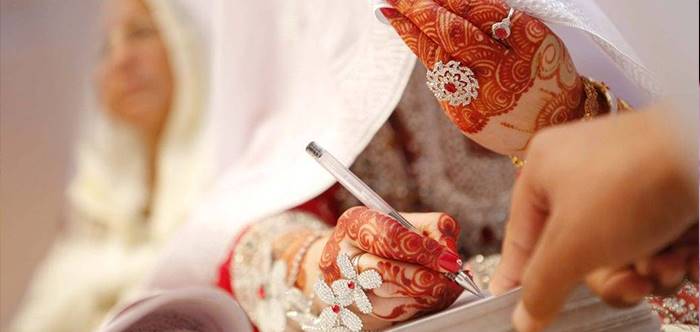
Marriage laws in Pakistan have undergone significant changes in recent years, especially with growing national and international pressure to eliminate child marriage. As of 2026, the legal age for marriage is evolving across different provinces, with major reforms aimed at setting a uniform minimum age of 18 years for both males and females.
This detailed article explains the current legal age for marriage in Pakistan 2026, differences between provinces, recent legal developments, penalties, and key issues surrounding child marriage.
Introduction
Marriage in Pakistan is governed by a mix of:
- Islamic principles
- Federal laws
- Provincial legislation
Historically, there has been inconsistency in the minimum legal age for marriage—especially for females. However, 2025–2026 reforms have marked a turning point toward stronger protection against child marriage.
Legal Age for Marriage in Pakistan (2026)
1. Punjab (Latest 2026 Update)
In 2026, Punjab introduced a major legal reform:
- Minimum age for both males and females: 18 years
This change came through the Punjab Child Marriage Restraint Ordinance 2026, which eliminated the previous distinction (18 for males, 16 for females).
This is a landmark step toward gender equality in marriage laws.
2. Islamabad Capital Territory (ICT)
Islamabad has also taken strong action:
- Minimum legal age: 18 years for both genders
A new law passed in 2025 made child marriage illegal and introduced strict penalties.
3. Sindh Province
Sindh was the first province in Pakistan to take progressive action:
- Minimum legal age: 18 years for both males and females
Under the Sindh Child Marriage Restraint Act 2013, child marriage is strictly prohibited.
4. Balochistan
Recent reforms have aligned Balochistan with modern standards:
- Minimum age: 18 years
New legislation passed in 2025 raised the legal age and strengthened protections.
5. Khyber Pakhtunkhwa (KP)
As of 2026:
- Traditionally follows older federal law:
- Male: 18 years
- Female: 16 years
However, there are ongoing discussions and pressure to raise the age to 18 for both genders nationwide.
Summary Table: Marriage Age in Pakistan (2026)
| Region | Male Age | Female Age | Status |
|---|---|---|---|
| Punjab | 18 | 18 | Updated in 2026 |
| Islamabad (ICT) | 18 | 18 | Updated in 2025 |
| Sindh | 18 | 18 | Already enforced |
| Balochistan | 18 | 18 | Updated in 2025 |
| Khyber Pakhtunkhwa | 18 | 16 | Not yet updated |
Historical Background
Pakistan’s marriage laws were originally based on the Child Marriage Restraint Act 1929, which set:
- 18 years for males
- 14–16 years for females (later amended to 16)
Even after amendments, the law remained outdated and inconsistent across provinces.
Recent reforms aim to replace these outdated standards with modern human rights-based legislation.
Why the Legal Age is Being Raised
The push to set the minimum marriage age at 18 is driven by several factors:
1. Protection of Children
Child marriage often leads to:
- Early pregnancies
- Health risks
- Loss of education
2. Human Rights Commitments
Pakistan is a signatory to international agreements that require protection of children’s rights.
3. Gender Equality
Older laws discriminated against girls by allowing earlier marriage.
Punishments for Child Marriage in 2026
Recent laws have introduced strict penalties, especially in Punjab and Islamabad:
- Up to 7 years imprisonment
- Heavy fines (up to Rs. 1 million in some cases)
- Punishment for:
- Parents
- Nikah registrars
- Facilitators
Child marriage is now considered a serious, non-bailable offense in some regions.
Is Child Marriage Still Practiced?
Despite legal reforms, child marriage still exists in some areas due to:
- Poverty
- Cultural traditions
- Lack of education
- Weak enforcement
Reports suggest that a significant percentage of girls are still married before 18 in Pakistan.
Role of Islamic Law
Islamic law (Sharia) does not specify a fixed numeric age but emphasizes:
- Physical maturity
- Mental capacity
- Consent
However, Pakistani law sets statutory age limits, which must be followed regardless of cultural or religious interpretations.
Can Underage Marriage Be Valid?
Legally:
- Underage marriage is punishable
- In some cases, the marriage may still be considered valid but illegal
- Courts may intervene depending on circumstances
Newer laws are moving toward stricter enforcement and invalidation of such marriages.
Key Legal Developments (2025–2026)
Recent years have been crucial for marriage law reform:
- 2025: Islamabad bans child marriage
- 2025: Balochistan raises age to 18
- 2026: Punjab sets 18 as minimum for both genders
- Ongoing calls for uniform national law
Experts and activists are pushing for a countrywide minimum age of 18 to remove inconsistencies.
Challenges in Implementation
Even with stronger laws, enforcement remains a challenge:
- Lack of awareness in rural areas
- Weak monitoring systems
- Social acceptance of early marriage
Efforts are ongoing through:
- Awareness campaigns
- NGO involvement
- Government reforms
Future Outlook
Pakistan is moving steadily toward:
- Uniform marriage age laws
- Stronger penalties
- Better enforcement
Legal experts expect that soon all provinces will adopt 18 as the minimum age, making the law consistent nationwide.
Conclusion
As of 2026, the legal age for marriage in Pakistan is increasingly standardized at 18 years for both males and females, especially in major regions like Punjab, Sindh, Islamabad, and Balochistan. However, some inconsistencies still exist, particularly in Khyber Pakhtunkhwa.
Recent reforms reflect a significant shift toward protecting children, promoting gender equality, and aligning with international human rights standards. While challenges remain, the legal landscape is clearly moving toward stricter enforcement and nationwide uniformity.
Understanding these laws is essential for anyone planning marriage, working in legal fields, or advocating for human rights in Pakistan.


